🔥 Automatic expense categorisation is here! No more sorting invoices by hand.Show me →

 English
 Čeština
 Slovenčina
How to run a restaurant without manual spreadsheets
Even though you started your business for the joy of it, spreadsheets are a necessary evil especially if you don’t just want to hope things work out at the end of the month. Anyone running a restaurant, bistro, café, or bar knows that the numbers are what really matter. But manual spreadsheets? They can drain more energy than a Saturday shift.
Managing a restaurant then often turns into a constant effort just to “keep things together“.
When the dream of owning your own café turns into an accounting nightmare
When the spreadsheets start running you
If you manage your own spreadsheets, you’ll know this all too well:
- You’re the only one who really understands them - which means you have to do everything yourself.
- You either update the data every day or every week - and let’s be honest, you could definitely spend that time better.
- One mistake in a single row can throw off the whole document.
- It’s simply impossible to record absolutely everything: every item, its price a month ago, and its price today. Deep down, you know there’s a blind spot somewhere in your business, a place you can’t see, where some of your profits are probably disappearing.
1. Electronic invoices – the first step towards automating your restaurant’s operations
If you can get your suppliers to send electronic invoices directly to your email, that’s already a small victory. It saves you some manual data entry, but it’s still not ideal.
You have the data, but it isn’t connected. And you still lack a clear overview of your restaurant’s expenses or accurate food cost calculations.
You have the data, but it isn’t connected. And you still lack a clear overview of your restaurant’s expenses or accurate food cost calculations.
2. Connecting your till, bank, accounting, and invoices in one clear dashboard
Today, there are apps and software for restaurants (such as Dishboard) that connect everything for you: every purchased item, its price and category automatically extracted from invoices, all sales from the till, and transactions from your bank accounts.
Everything updates automatically, no manual work or complicated setup required.
This gives you a cost management tool for your restaurant that provides a clear, accurate overview of what’s really happening in your business.
Everything updates automatically, no manual work or complicated setup required.
This gives you a cost management tool for your restaurant that provides a clear, accurate overview of what’s really happening in your business.
3._Automatic tracking and monitoring of ingredient prices
Because modern restaurant software reads entire invoices (including receipts), it can automatically track ingredient prices from your suppliers. As soon as any item quietly becomes more expensive, it alerts you. That way, you know whether it’s worth buying elsewhere or adjusting your menu.
This is the key to reducing operating costs in hospitality, responding before the problem shows up in your accounts.
This is the key to reducing operating costs in hospitality, responding before the problem shows up in your accounts.
4. What else you can track automatically
Imagine opening a single dashboard and instantly seeing:
📈 Food cost / ingredient expenses
💸 Price trends for each supplier
📘 Profit and loss statement
💡 All your expenses, including energy, rent, marketing, and more
👩🍳 Wage-to-sales ratio
📅 Which invoices need to be paid and when
💵 Your cash flow
🧾 Daily overview of income and expenses
📊 Real-time sales reports and summaries
🔔 Alerts for price increases or drops
No manual work, no spreadsheets, no stress.
📈 Food cost / ingredient expenses
💸 Price trends for each supplier
📘 Profit and loss statement
💡 All your expenses, including energy, rent, marketing, and more
👩🍳 Wage-to-sales ratio
📅 Which invoices need to be paid and when
💵 Your cash flow
🧾 Daily overview of income and expenses
📊 Real-time sales reports and summaries
🔔 Alerts for price increases or drops
No manual work, no spreadsheets, no stress.
5. How it works in practice
For example, Dishboard automatically imports supplier invoices, recognises items (such as butter, flour, or beef), and tracks their prices across different suppliers. When a price increase occurs, it notifies you.
It connects with your till and bank account, showing your daily and weekly profit clearly, visually, and without spreadsheets.
Dishboard generates reports and sales summaries that used to take you hours to prepare.
Most importantly, it finally gives you full control over all your data.
It connects with your till and bank account, showing your daily and weekly profit clearly, visually, and without spreadsheets.
Dishboard generates reports and sales summaries that used to take you hours to prepare.
Most importantly, it finally gives you full control over all your data.
How to connect it?
Would you like to try connecting everything? We’ve got a simple tool for that!
What do restaurant owners say about automation?
“We’ve stopped checking prices manually. Thanks to the Price Tracker, we’ve saved £3,200.” — Petr Janoušek, owner of Terminál Karlín restaurant


Petr Janoušek - Terminál Karlin
“Now it only takes one click — and it’s done. Before, I used to spend weeks on it and stress out.” — Iva from Bistro Lagom

Iva from Bistro Lagom
“I check Dishboard once a week. I usually just have a coffee, look at the numbers, and head home. The sense of relief is indescribable.” — Karolína
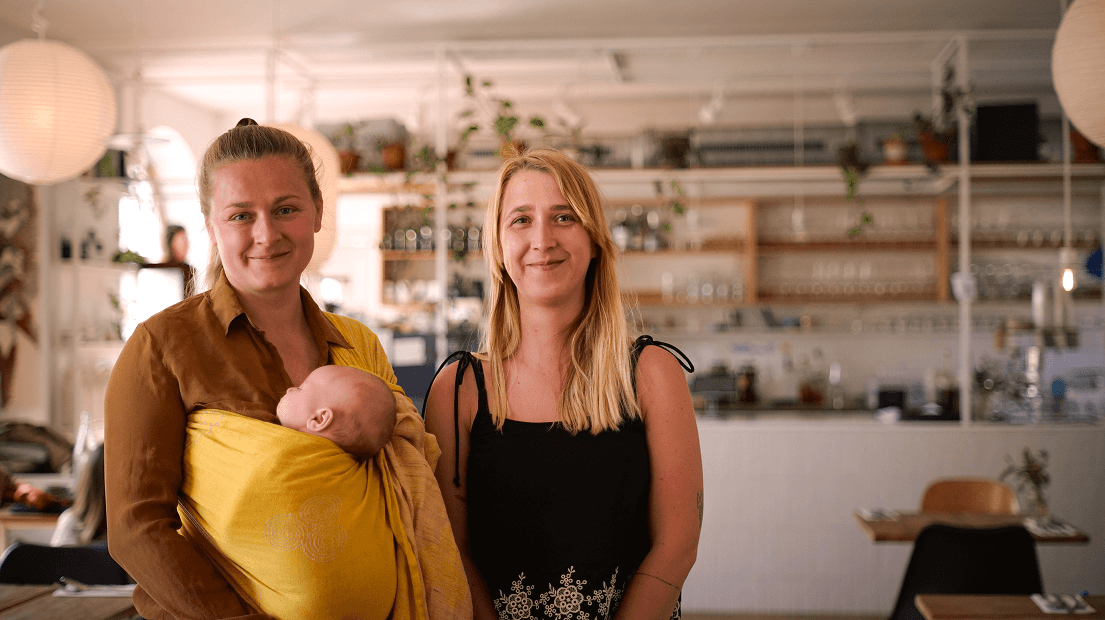
Karolína and Elena — owners of Bistro Karel
Would you like to achieve the same excellent results in your own hospitality business?
Tell us your story, and we’ll create a tailored solution just for you!
Cookie settings
Cookies necessary for the website to function properly are always allowed. Other cookies can be configured.