🔥 Automatic expense categorisation is here! No more sorting invoices by hand.Show me →

 English
 Čeština
 Slovenčina
From six hours in Excel to two minutes in Dishboard: How restaurant Il Pirata Pizzata got a clearer view of the numbers
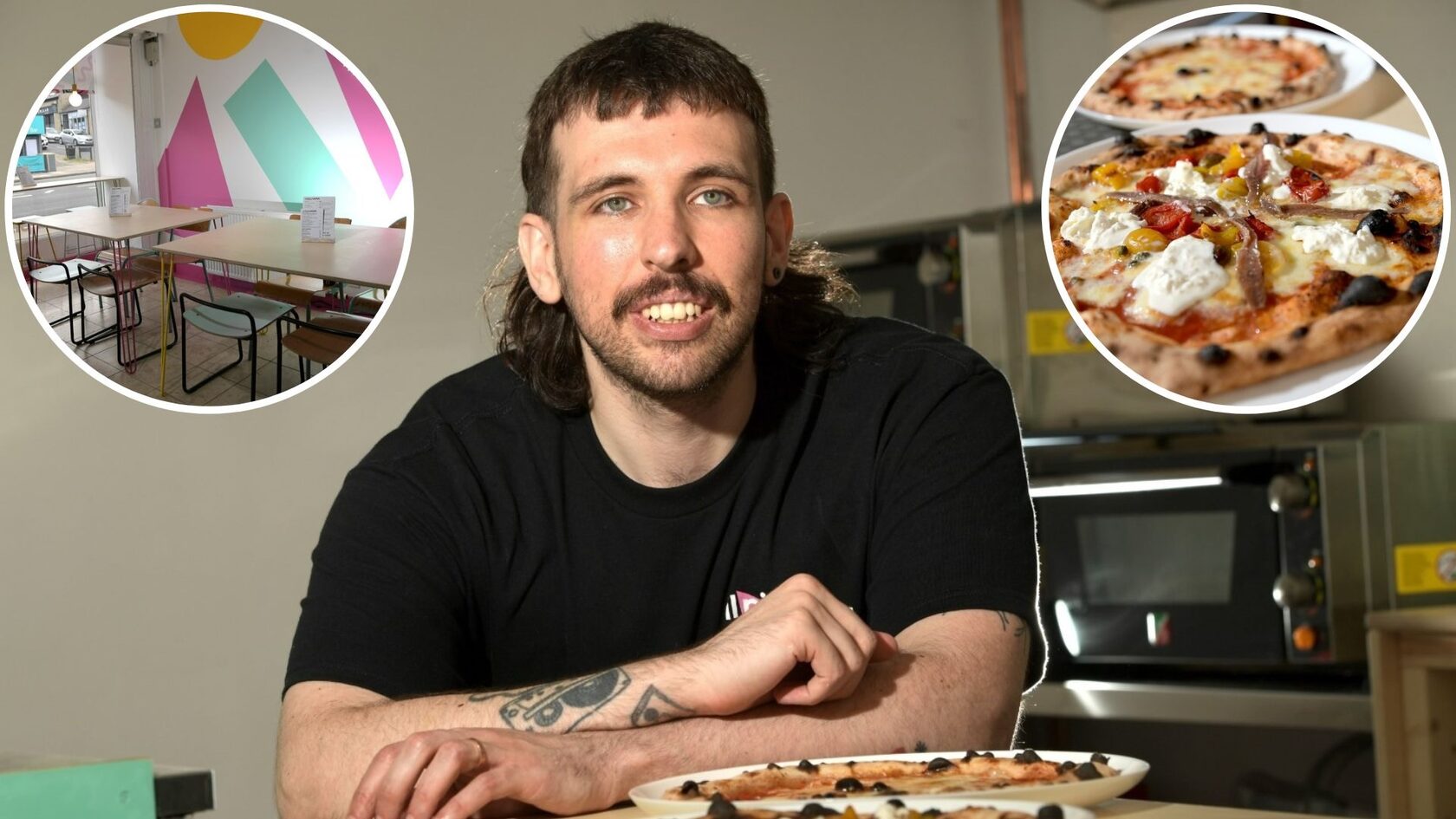
Il Pirata Pizzata didn’t start with a restaurant. It started with a pizza oven, a lockdown hobby and a pizza made for a local beer delivery driver at exactly the right time. That pizza led to pop-ups. The pop-ups led to regular Friday and Saturday nights at a local coffee shop. And eventually, Simon Towers took the leap and opened Il Pirata Pizzata.
Six years later, the business has a team of 10 and Simon is balancing restaurant ownership with his work in engineering. That makes one thing particularly valuable: time.
Before Dishboard, keeping on top of the restaurant’s finances meant downloading bank statements, working through Excel spreadsheets and manually categorising invoices. Every couple of weeks, Simon could spend around six hours in an evening trying to get an up-to-date picture of the business.
Six years later, the business has a team of 10 and Simon is balancing restaurant ownership with his work in engineering. That makes one thing particularly valuable: time.
Before Dishboard, keeping on top of the restaurant’s finances meant downloading bank statements, working through Excel spreadsheets and manually categorising invoices. Every couple of weeks, Simon could spend around six hours in an evening trying to get an up-to-date picture of the business.
6 hours → 2 minutes
to get a clear view of the numbers
50–60 invoices a month
processed with less manual work
saved on invoice categorisation
Up to 4 hours a week
It all started with a pizza oven
Simon has worked in hospitality since he was 16. He started as a kitchen porter while studying and gradually found his way into kitchen work, but eventually pursued a career more closely related to his studies in engineering. Hospitality, however, never completely disappeared.
Around a year before COVID, Simon’s wife bought him a pizza oven for his birthday. During lockdown, making pizza became a welcome break from working from home. Then a local bar owner happened to deliver some beer while Simon was making pizzas. Simon made him one. He liked it enough to ask Simon to start doing pop-ups. A local coffee shop later offered its space for Friday and Saturday evenings, and around two years into the journey, premises became available for a permanent restaurant. Il Pirata Pizzata was born.
Around a year before COVID, Simon’s wife bought him a pizza oven for his birthday. During lockdown, making pizza became a welcome break from working from home. Then a local bar owner happened to deliver some beer while Simon was making pizzas. Simon made him one. He liked it enough to ask Simon to start doing pop-ups. A local coffee shop later offered its space for Friday and Saturday evenings, and around two years into the journey, premises became available for a permanent restaurant. Il Pirata Pizzata was born.
Running a restaurant means wearing a lot of hats
Moving from manager to business owner brought a completely different set of responsibilities. As Simon puts it, when you own the business, “the buck stops with you.”
Even with a management structure and a team of 10, restaurant ownership can mean stepping into whatever role is needed that day – from covering a shift to fixing a leak. And then there are the numbers. Bookkeeping. Supplier invoices. COGS. Labour costs. Income and expenditure. Accounting.
“You have to wear many hats as a business owner.”
For Simon, who is still also working in engineering, spending hours manually processing financial data simply wasn’t sustainable.
Even with a management structure and a team of 10, restaurant ownership can mean stepping into whatever role is needed that day – from covering a shift to fixing a leak. And then there are the numbers. Bookkeeping. Supplier invoices. COGS. Labour costs. Income and expenditure. Accounting.
“You have to wear many hats as a business owner.”
For Simon, who is still also working in engineering, spending hours manually processing financial data simply wasn’t sustainable.
Six hours in Excel for a snapshot that was already out of date
Before Dishboard, a significant part of Simon’s financial admin happened in Excel. He would download bank statements, track income and expenditure and work through spreadsheets to understand how the restaurant was performing. The problem wasn’t a lack of data. It was how much work it took to turn that data into something useful.
“I don't have the time to spend six hours on a night every couple of weeks doing Excel spreadsheets – and then that's not up to date.”
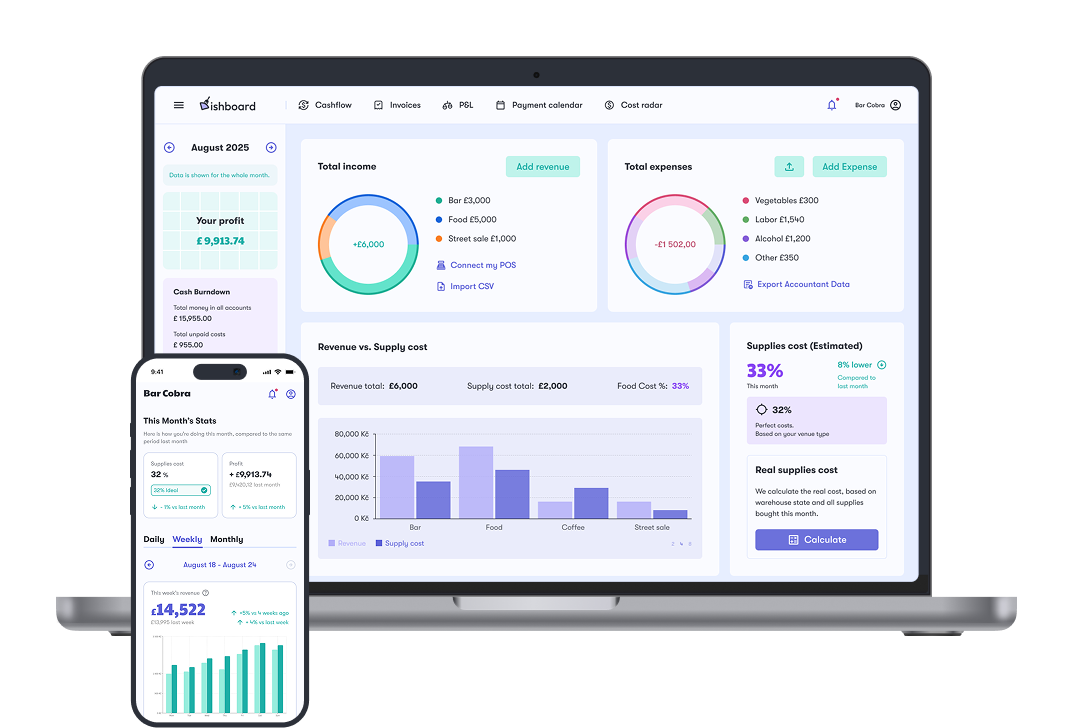
Simon had spent years looking for software that could give him a clear view of costs, income, expenditure and labour versus turnover without requiring hours of manual work. With Dishboard, that snapshot is available in minutes.
“I don't have the time to spend six hours on a night every couple of weeks doing Excel spreadsheets – and then that's not up to date.”
Simon had spent years looking for software that could give him a clear view of costs, income, expenditure and labour versus turnover without requiring hours of manual work. With Dishboard, that snapshot is available in minutes.
“I can log in and see everything. I can check it in about two minutes.”

Around four hours a week saved categorising invoices
Invoices were another major drain on Simon’s time. Il Pirata Pizzata processes approximately 50–60 invoices a month, including supplier invoices and regular overheads.
Before Dishboard, Simon estimates he was spending around four hours every week just categorising invoices. There was additional work around accounting returns, too – sometimes as much as a full day checking that everything had transferred into the accounting software correctly. Dishboard automated much of that process.
Supplier invoices can be sent directly into the system. Paper invoices can simply be photographed using the app. Dishboard extracts the information, categorises it and prepares the data for export to the accounting software. Once everything is set up, Simon describes the process simply:
“You press a button, it exports to the accounting software, and it’s as simple as that.”
Before Dishboard, Simon estimates he was spending around four hours every week just categorising invoices. There was additional work around accounting returns, too – sometimes as much as a full day checking that everything had transferred into the accounting software correctly. Dishboard automated much of that process.
Supplier invoices can be sent directly into the system. Paper invoices can simply be photographed using the app. Dishboard extracts the information, categorises it and prepares the data for export to the accounting software. Once everything is set up, Simon describes the process simply:
“You press a button, it exports to the accounting software, and it’s as simple as that.”
Different suppliers, different invoices – one process
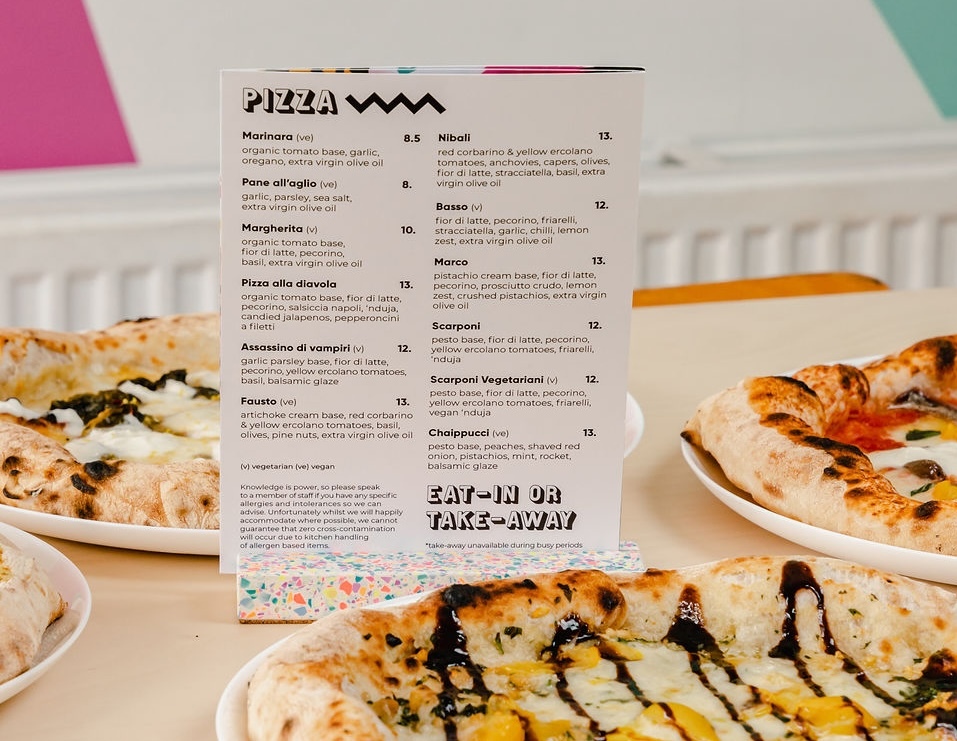
Il Pirata Pizzata works with around five or six suppliers, with two or three accounting for most of its purchasing. The challenge is that every supplier works slightly differently. Some invoices arrive by email. Others still arrive on paper. And the information on each invoice isn’t necessarily treated in the same way for accounting purposes. Dishboard brings those documents into one process. Paper invoice? Take a photo. Email invoice? Send it directly to Dishboard.
The system extracts the line-item data and can correctly categorise different costs – even when a single invoice contains items belonging to different accounting categories. For Simon, this automatic processing has removed a significant amount of repetitive admin from running the restaurant.
The system extracts the line-item data and can correctly categorise different costs – even when a single invoice contains items belonging to different accounting categories. For Simon, this automatic processing has removed a significant amount of repetitive admin from running the restaurant.
A £5 increase in olive oil that could have easily gone unnoticed
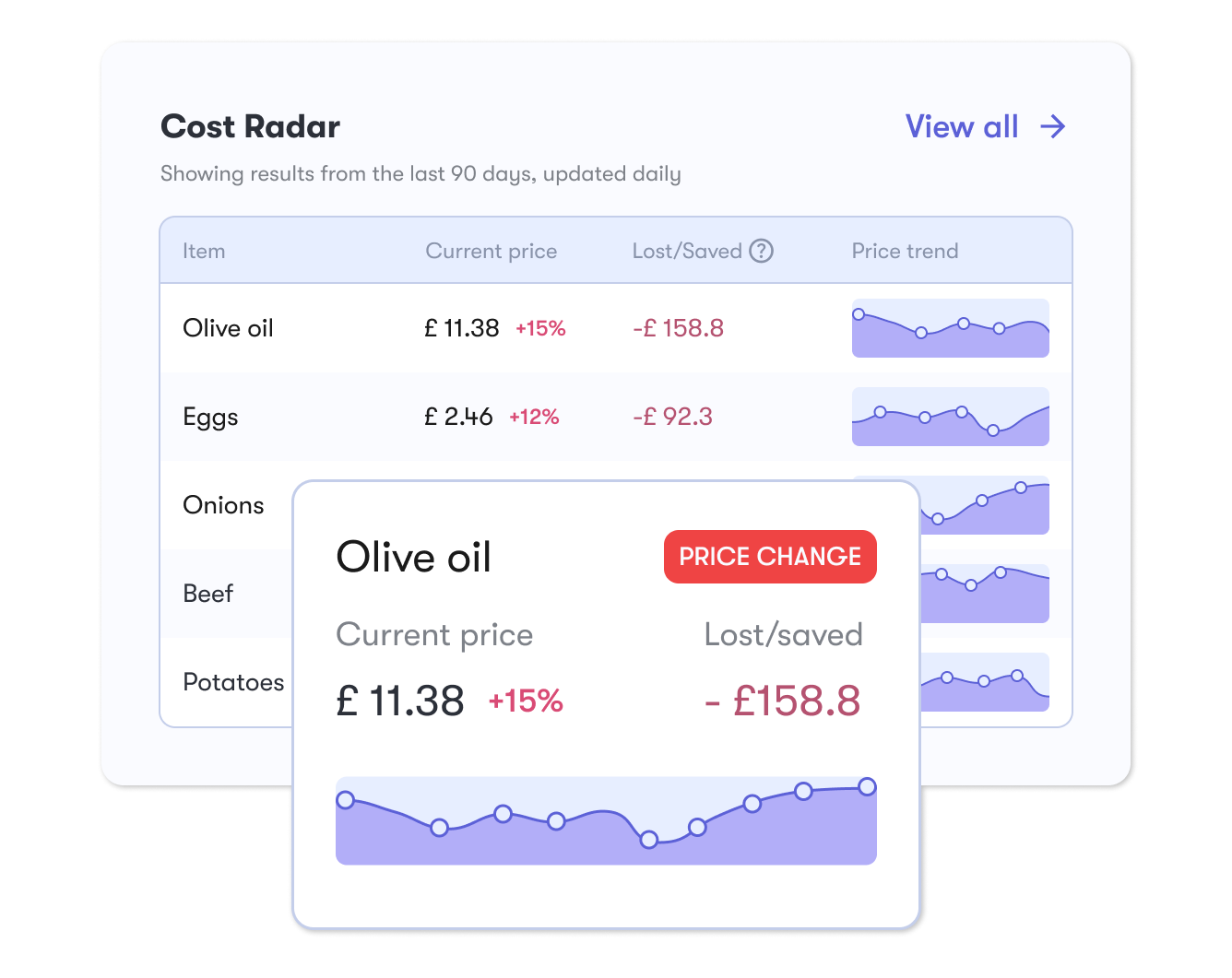
Saving time is only part of the story. Dishboard also tracks changes in the prices Il Pirata Pizzata pays for individual products. One of the clearest examples came from something every pizzeria uses: olive oil. Simon received an alert when the price they were paying increased by around £5. Instead of discovering the change much later when reviewing overall costs, he could act on it immediately. That might mean asking another supplier for samples, comparing an alternative product or speaking to the existing supplier to understand the increase and negotiate.
Dishboard showed when labour costs were too high
Supplier prices weren’t the only area where better visibility led to action. When Simon started looking at labour costs as a percentage of turnover in Dishboard, he could clearly see periods when the restaurant was carrying more staff than it needed. It confirmed something he had already suspected, but gave him the data to act on it.
Il Pirata Pizzata can now look at patterns in turnover and use them to make more informed staffing decisions – adding people when demand requires it and reducing staffing levels when it doesn’t. Simon even says he uses the Dishboard data more than the restaurant’s workforce rota and AI system when looking at these patterns. Rather than reacting to one particularly busy or quiet shift, he can look at performance over time and make decisions based on the bigger picture.
Il Pirata Pizzata can now look at patterns in turnover and use them to make more informed staffing decisions – adding people when demand requires it and reducing staffing levels when it doesn’t. Simon even says he uses the Dishboard data more than the restaurant’s workforce rota and AI system when looking at these patterns. Rather than reacting to one particularly busy or quiet shift, he can look at performance over time and make decisions based on the bigger picture.
From restaurant costs to bigger business decisions
The same principle applies beyond ingredients. Simon can use Dishboard to spot changes in overheads such as energy, internet or mobile phone costs and investigate when something looks different. More importantly, the data gives him a clearer financial picture when making larger decisions about the future of the business.
With the restaurant’s lease approaching renewal, for example, Simon can use current figures to understand what level of rent the business can realistically support and enter negotiations with the landlord from a much stronger position.
As he puts it, Dishboard allows the business to be “a lot more prepared.”
With the restaurant’s lease approaching renewal, for example, Simon can use current figures to understand what level of rent the business can realistically support and enter negotiations with the landlord from a much stronger position.
As he puts it, Dishboard allows the business to be “a lot more prepared.”
Before and after Dishboard
“It’s worth its weight in gold.”
If Dishboard disappeared tomorrow, Simon knows exactly what he would miss: clear figures and automatic invoice categorisation. After previously spending around four hours every week categorising invoices, he says it is difficult to overstate how much time the automation saves. In fact, he wishes he had discovered Dishboard sooner.
“If I'd known about Dishboard 18 months ago, it would've been a lot smoother sailing.”
And he has already recommended it to other hospitality operators. For Simon, the value comes down to something simple: restaurant owners didn’t get into hospitality because they wanted to spend their evenings acting as accountants.
“If I'd known about Dishboard 18 months ago, it would've been a lot smoother sailing.”
And he has already recommended it to other hospitality operators. For Simon, the value comes down to something simple: restaurant owners didn’t get into hospitality because they wanted to spend their evenings acting as accountants.
Frequently asked questions about Dishboard
- How much time can Dishboard save on restaurant admin?The exact saving depends on the restaurant and its existing processes. Before Dishboard, Simon estimates he spent around four hours a week categorising invoices, as well as several hours every couple of weeks working through Excel. With Dishboard, he says he can now access the figures he needs in around two minutes.
- Can Dishboard process both digital and paper invoices?Yes. Il Pirata Pizzata has suppliers that send invoices digitally as well as suppliers that still provide paper documents. Digital invoices can be sent to Dishboard, while paper invoices can be photographed through the app for processing and categorisation.
- Can Dishboard track supplier price increases?Yes. Dishboard tracks changes in individual line-item prices. At Il Pirata Pizzata, Simon was alerted when the price of olive oil increased by around £5, giving him the opportunity to compare alternatives or discuss the increase with his supplier.
- Can Dishboard help a restaurant manage labour costs?Dishboard allows restaurant operators to view labour costs alongside turnover and other business data. Il Pirata Pizzata uses this information to identify staffing patterns and make more informed decisions about when more or fewer team members are needed.
- Does Dishboard replace accounting software?Dishboard works alongside Il Pirata Pizzata’s accounting software rather than replacing it. It automates much of the work involved in collecting and categorising invoice data, after which Simon can export the information into the accounting system.
Want the same numbers in your own restaurant?
Tell us about your place and we'll show you what Dishboard can do for you.
Would you like to achieve equally outstanding results in your own restaurant or café?
Tell us your story and we’ll craft a custom solution for you!