🔥 Automatic expense categorisation is here! No more sorting invoices by hand.Show me →

 English
 Čeština
 Slovenčina
Two venues, one dashboard, approx. £12,000 a year saved: how Slice 'n Brew and Pici run their numbers
25 % jump
in a single supplier price, caught the week it landed
2 sites & 35 staff
all in one dashboard, checked daily by the owner and his managers
margin protected on one product alone
approx. £12,000 / year
From pulling pints to two restaurants in Nottingham
Ryon Ishack started in hospitality the way a lot of chefs do — looking for a part-time job at college and ending up behind a bar. "Just pulling pints in a local boozer. I say local. It wasn't local to me. I had to travel. I had to get two buses to get there, but yeah, that's how I started. And then I kinda got the bug for basically just delivering good service. I just got a buzz off it."
A few head chef positions later, COVID gave him time to think. He started making pizzas at home as a hobby and handed them to a few neighbours. "They were like, 'You should sell these.' So I started posting them on Instagram, and then I was selling pizzas weekly from my home kitchen. That grew to the point where we were doing, like, 80 pizzas a night." A local pub asked him to do a pop-up. He quit his head chef job, went part-time on the pop-up.
A few head chef positions later, COVID gave him time to think. He started making pizzas at home as a hobby and handed them to a few neighbours. "They were like, 'You should sell these.' So I started posting them on Instagram, and then I was selling pizzas weekly from my home kitchen. That grew to the point where we were doing, like, 80 pizzas a night." A local pub asked him to do a pop-up. He quit his head chef job, went part-time on the pop-up.
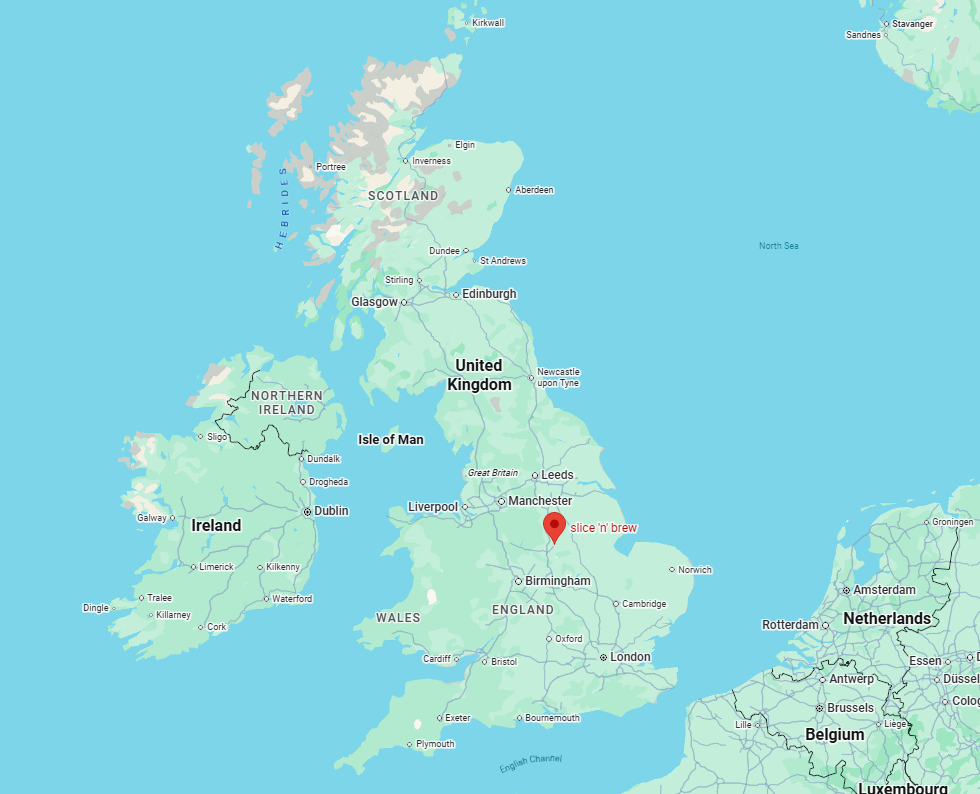
That became Slice 'n Brew, his Nottingham pizzeria - open as a restaurant for nearly four years, the business itself for about five and a half. Last year he opened a second venue: Pici, a 40-seater pasta restaurant. Pasta and pizza were always the plan, and Ryon is direct about why. "I'd be lying if it wasn't because of the margins. I wanted a high margin product so we could ride the waves of hospitality, because margins are tight, and it's a tough industry to keep going, never mind actually make money."
Between the two sites, Ryon runs 35 staff and around 2,000 covers a week.
Between the two sites, Ryon runs 35 staff and around 2,000 covers a week.
The spreadsheet years
For the first few years, Ryon's business partner handled the books. When the partner exited, all of it came back to Ryon — and the picture was always one month behind the action.
What he wanted was simple: one place where every number lived, and the ability to see it in time to do something about it.
"Having the transparency of seeing all the figures in one place. Having all the information in one place, as opposed to numerous spreadsheets. It just gets a little bit messy."
By the time the month-end report landed, it was too late to act on it.
What he wanted was simple: one place where every number lived, and the ability to see it in time to do something about it.
"Having the transparency of seeing all the figures in one place. Having all the information in one place, as opposed to numerous spreadsheets. It just gets a little bit messy."
By the time the month-end report landed, it was too late to act on it.
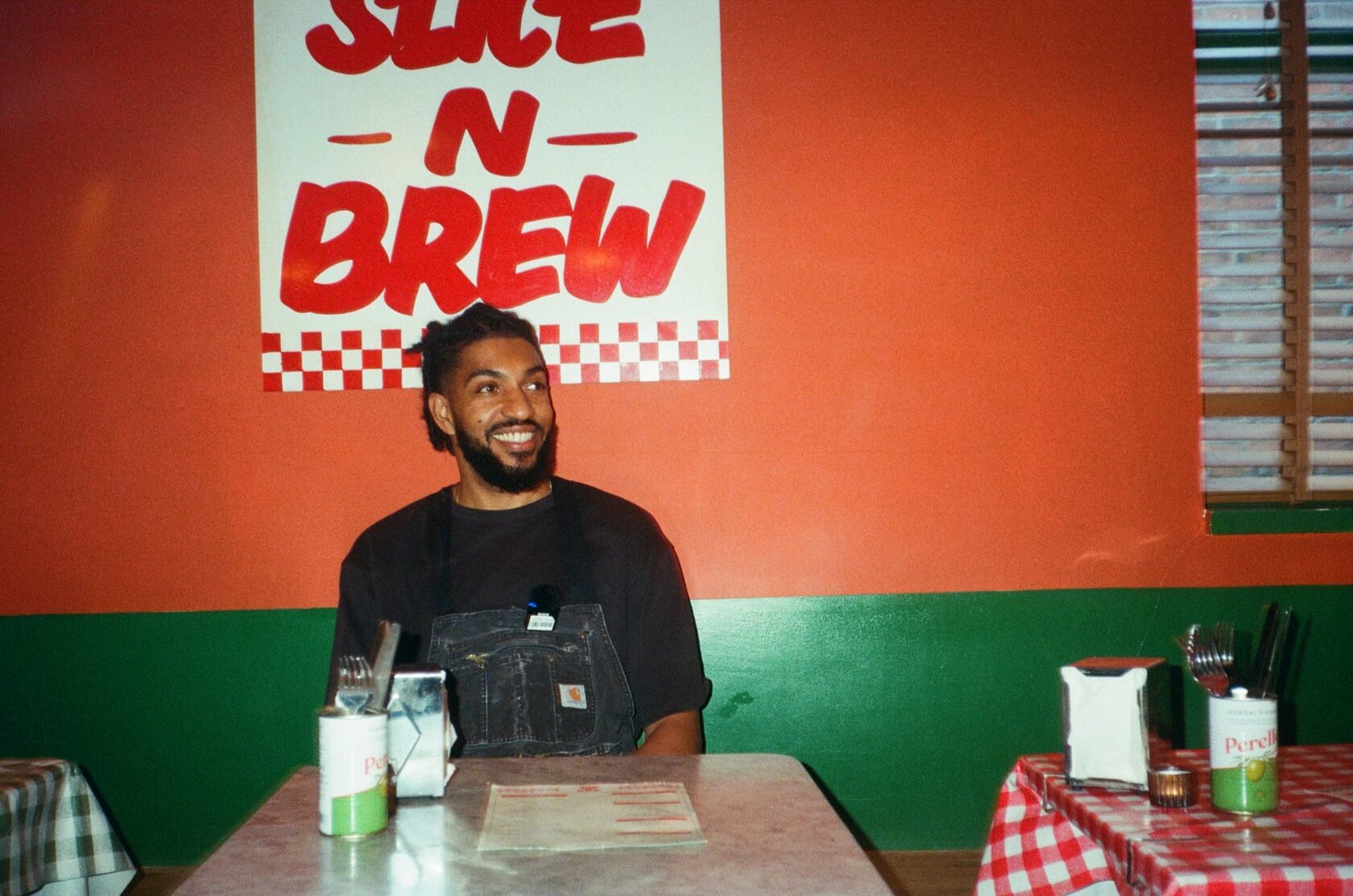
"You can react quicker when you've got that information on the pulse, as opposed to being reactive at the end-of-month report. You can't really do anything to save any money then retrospectively."
That's what Ryon was looking to fix — across both venues at once.
Spotting Dishboard on Instagram — and the "night and day" moment
Ryon saw a Dishboard ad on Instagram. He was already using Dext for receipt scanning, plugged into Xero. The pitch that pulled him in was a simple one: same idea, but the data goes somewhere useful.
"In terms of the data that we were getting back, it was, it's like night and day. Because obviously with Dext, it just kind of integrates with Xero as a receipt scanner essentially, whereas getting everything in the form of graphs, everything separated — it's just the visual side of Dishboard that really attracted us to it."
After the demo, his first thought was straightforward: "This is something we need." The second thought was about who would actually use it. Ryon didn't see Dishboard as a tool for himself. He saw it as a tool he could put in his managers' hands — at both Slice 'n Brew and Pici.
"In terms of the data that we were getting back, it was, it's like night and day. Because obviously with Dext, it just kind of integrates with Xero as a receipt scanner essentially, whereas getting everything in the form of graphs, everything separated — it's just the visual side of Dishboard that really attracted us to it."
After the demo, his first thought was straightforward: "This is something we need." The second thought was about who would actually use it. Ryon didn't see Dishboard as a tool for himself. He saw it as a tool he could put in his managers' hands — at both Slice 'n Brew and Pici.
"It was more a tool for the managers to manage. Instead of me saying, 'Oh, we need to hit our targets this way, that way,' if I've actually got live data that I can provide them, it gives them the tools to be able to actually execute their job in the best way."

A specific catch had already paid the bill for Dishboard
On price, Ryon was satisfied from the start.
"I thought it was fairly priced. It seemed in line with other services that we use that are similar. So yeah, it seemed like very good value for money."
Then he went further:
"Especially with the Cost Radar — because the amount of money, that kind of pays for itself. Being able to see the cost of products coming in live and increases, that kind of covers the cost of Dishboard and the rest."
He wasn't speaking in the abstract. A specific catch had already paid the bill.
"I thought it was fairly priced. It seemed in line with other services that we use that are similar. So yeah, it seemed like very good value for money."
Then he went further:
"Especially with the Cost Radar — because the amount of money, that kind of pays for itself. Being able to see the cost of products coming in live and increases, that kind of covers the cost of Dishboard and the rest."
He wasn't speaking in the abstract. A specific catch had already paid the bill.
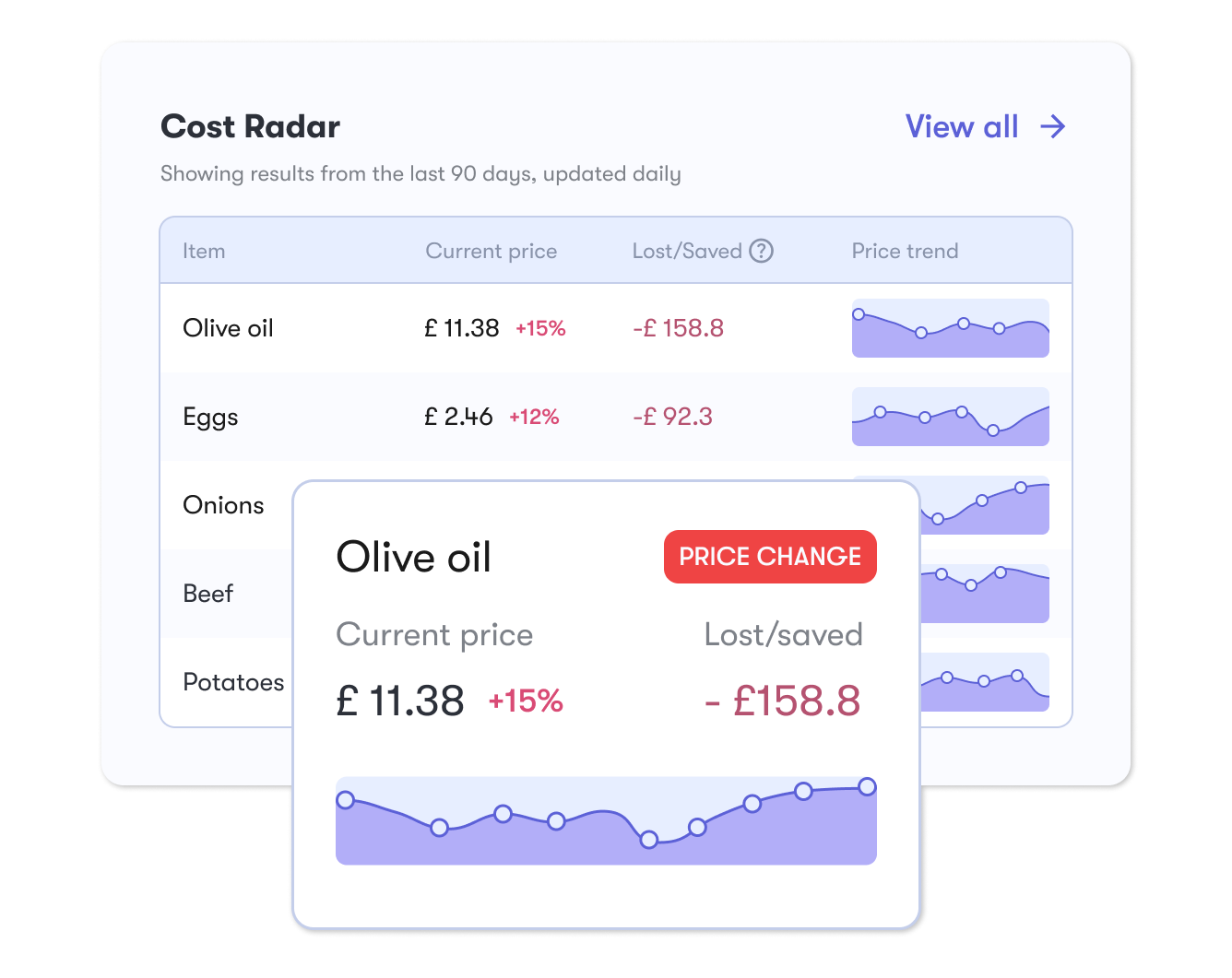
Cost Radar: the Sicilian lemonade catch
A Sicilian lemonade Ryon buys for one of the bars went up 25% week on week. On paper invoices passing through a receipt scanner, that's the kind of jump you don't see until much later — or until a margin report at month-end nudges you to go looking for it.
"We probably wouldn't have spotted that, or it might have taken us a few weeks to be like, 'Oh, hold on. Has anyone checked the price of this recently?'"
Cost Radar flagged it straight away. And not just to Ryon.
"Because it was on Cost Radar, not only did it get flagged up by myself, but other members of staff were like, 'Ryon, have you seen this price increase? How crazy this is?'"
Ryon got on the phone to the supplier to negotiate. "We've got it back down to a reasonable price now."
Because most of Ryon's suppliers are shared between Slice 'n Brew and Pici, one flag in Cost Radar protects both venues at once — no separate review per site, no risk of catching it at one and missing it at the other.
Because most of Ryon's suppliers are shared between Slice 'n Brew and Pici, one flag in Cost Radar protects both venues at once — no separate review per site, no risk of catching it at one and missing it at the other.
The maths on what that one catch was worth is straightforward. The unrenegotiated price would have cost about £1 in lost margin per unit, on a product that sells around 200 a week. By Ryon's own count, that's close to £1,000 a month — or roughly £12,000 a year — in margin protected on a single product, off the back of one flag from Cost Radar.
"We'd be losing 10, 15% margin on each item sold. So that would've cost us probably a pound every unit that we sold, which is quite a lot of money. Assuming we sell about 200 of those a week."
The point isn't this one lemonade. It's that suppliers don't tend to send an email when prices move, and busy operators don't tend to spot it. Cost Radar does.
"We'd be losing 10, 15% margin on each item sold. So that would've cost us probably a pound every unit that we sold, which is quite a lot of money. Assuming we sell about 200 of those a week."
The point isn't this one lemonade. It's that suppliers don't tend to send an email when prices move, and busy operators don't tend to spot it. Cost Radar does.
A tool the managers actually open
A surprising amount of the value, for Ryon, is in the rhythm Dishboard creates around the whole team — not just the owner. The app is open every day, both on his desk and on the managers' phones at both venues.
"Yeah, we check it every day. And the managers do as well."
Each site runs to its own business model — different target percentages on food, drink and labour against revenue. Dishboard surfaces those numbers per venue, so each manager sees their own site's picture in real time, against the targets Ryon has set them.
That matters because hospitality doesn't give you a lot of laptop time. "At the end of the day, in hospitality, we don't actually get a lot of time spent on laptops or sitting down doing admin. So we try and minimise as much admin as possible."
That matters because hospitality doesn't give you a lot of laptop time. "At the end of the day, in hospitality, we don't actually get a lot of time spent on laptops or sitting down doing admin. So we try and minimise as much admin as possible."
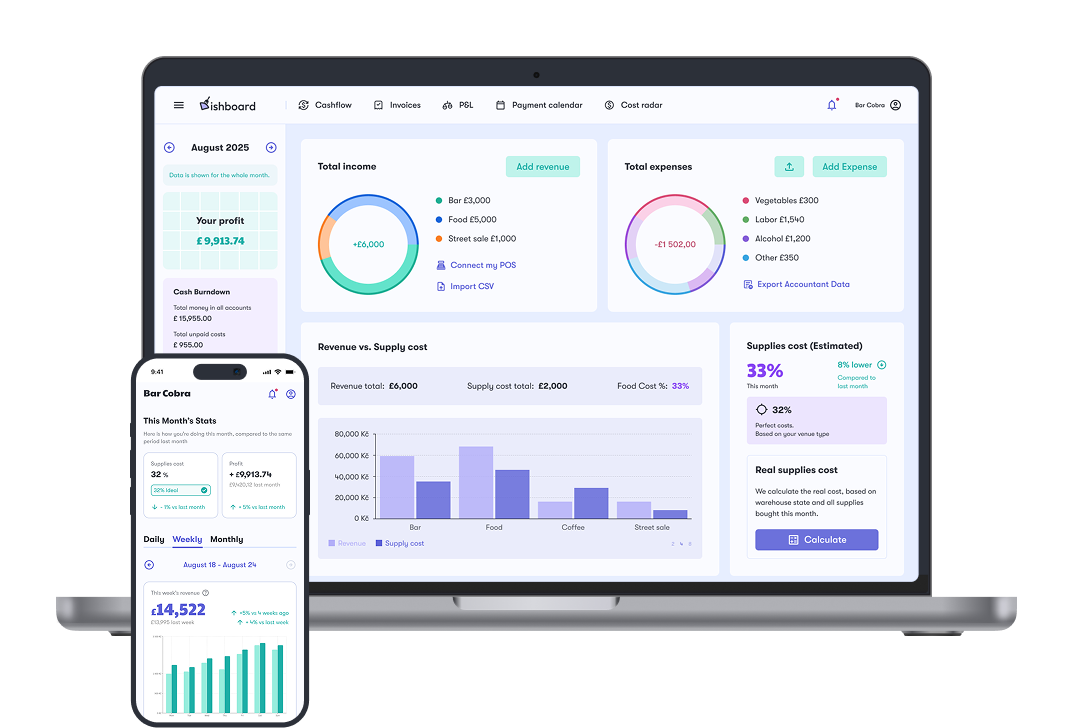
Targets that used to be a top-down conversation are now something the managers can act on themselves.
"The amount of time that it gives us to actually focus on what we enjoy doing, which is delivering high-quality service and creating fresh and exciting food and drink offerings. We wanna focus on that more than we wanna focus on spreadsheets."
"The amount of time that it gives us to actually focus on what we enjoy doing, which is delivering high-quality service and creating fresh and exciting food and drink offerings. We wanna focus on that more than we wanna focus on spreadsheets."
The integrations that hold it together
- Toast (EPOS) - "We took a punt with Toast and we're really happy with them. And it integrates really well with Dishboard, which again — that's another bonus."
- Xero (accounting) - Ryon's accountant has a direct Dishboard login. Invoices forwarded in or scanned from paper get categorised inside Dishboard, then pushed straight through to Xero via the integration. The books stay in sync without anyone re-keying data or chasing missing receipts.
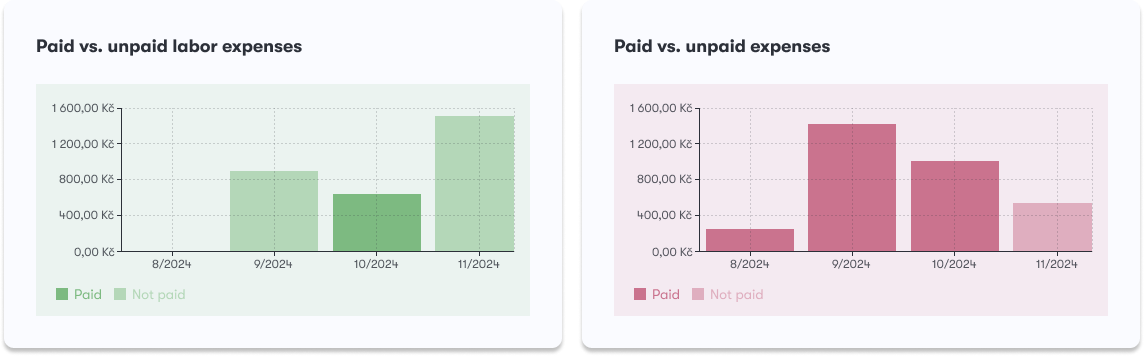
"From having no visibility of the figures to having pretty much full visibility, on a month-on-month basis — week by week if you want to drill down to it… We're a bit more proactive now than we were."
Ryon's pitch to other operators
Asked what he'd say to a restaurant owner thinking about it, Ryon didn't hesitate.
"It's just an amazing platform to have everything that's going on in your business. It just gives you that transparency. That is actually invaluable because you can save so much money just from knowing where your numbers are without having to sit there for hours upon hours uploading all of the data yourself. It just takes that work away from you."
"It's just an amazing platform to have everything that's going on in your business. It just gives you that transparency. That is actually invaluable because you can save so much money just from knowing where your numbers are without having to sit there for hours upon hours uploading all of the data yourself. It just takes that work away from you."
And his one-line piece of advice for anyone just starting out in hospitality?
"It's bloody hard work, and be on top of your numbers."
Before and after Dishboard
Want the same numbers in your own restaurant?
Tell us about your place and we'll show you what Dishboard can do for you.
Would you like to achieve equally outstanding results in your own restaurant or café?
Tell us your story and we’ll craft a custom solution for you!